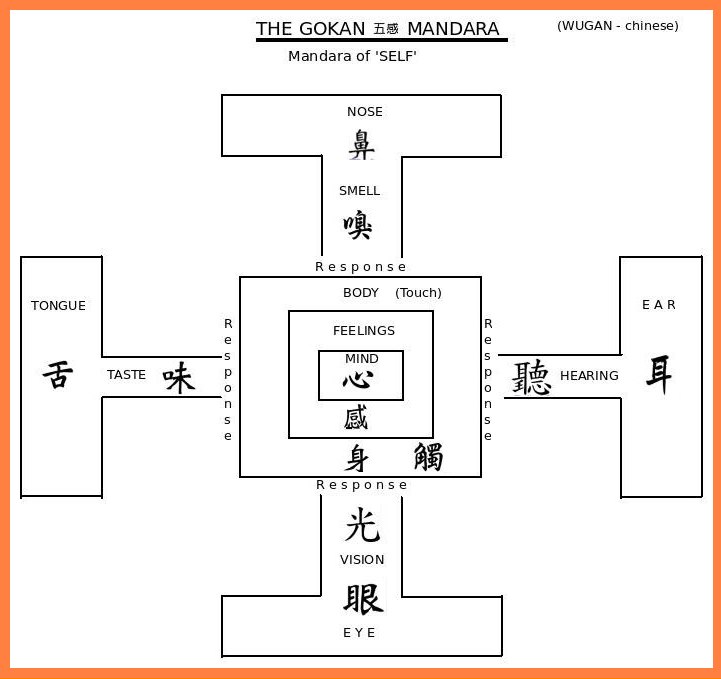
The Mandara of Self
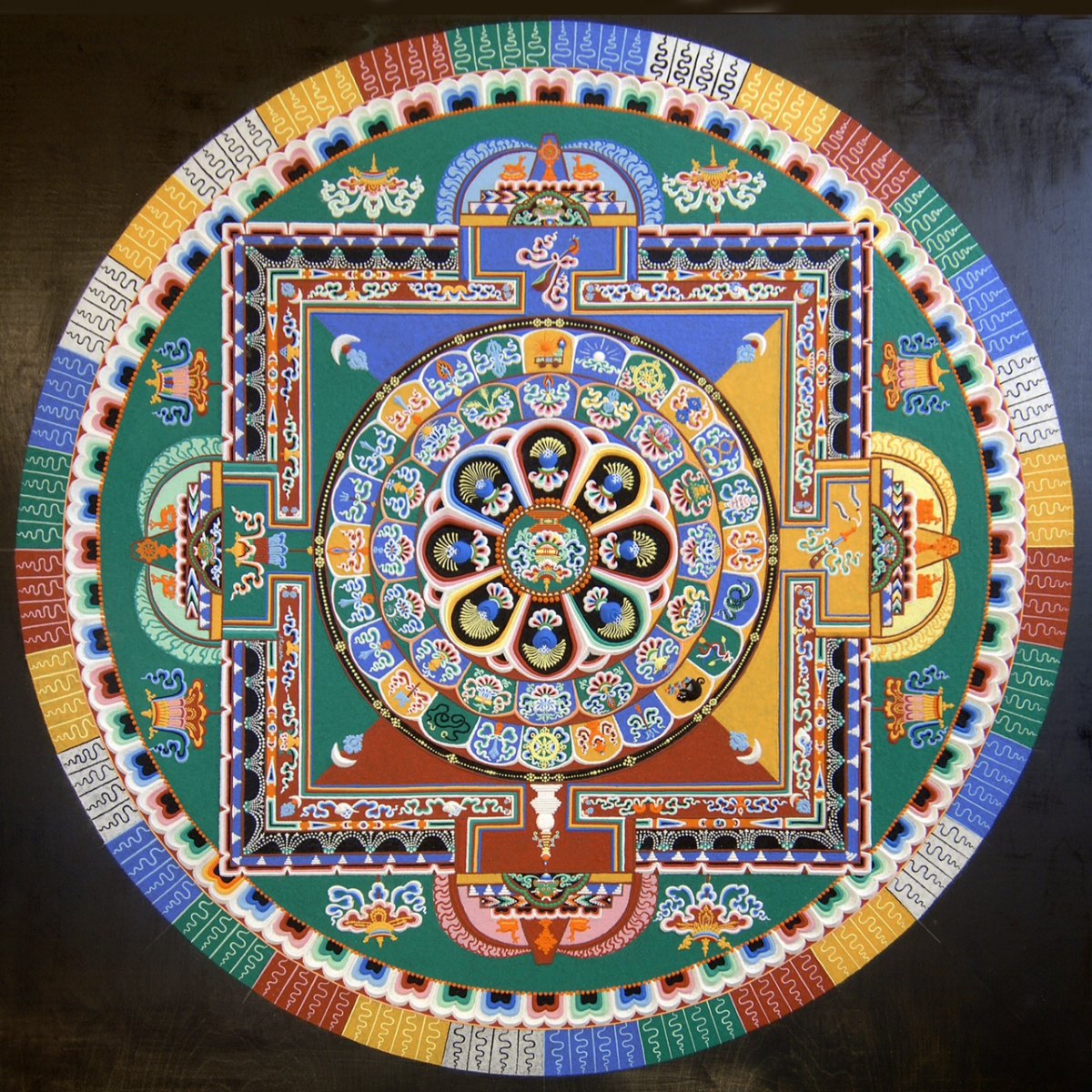
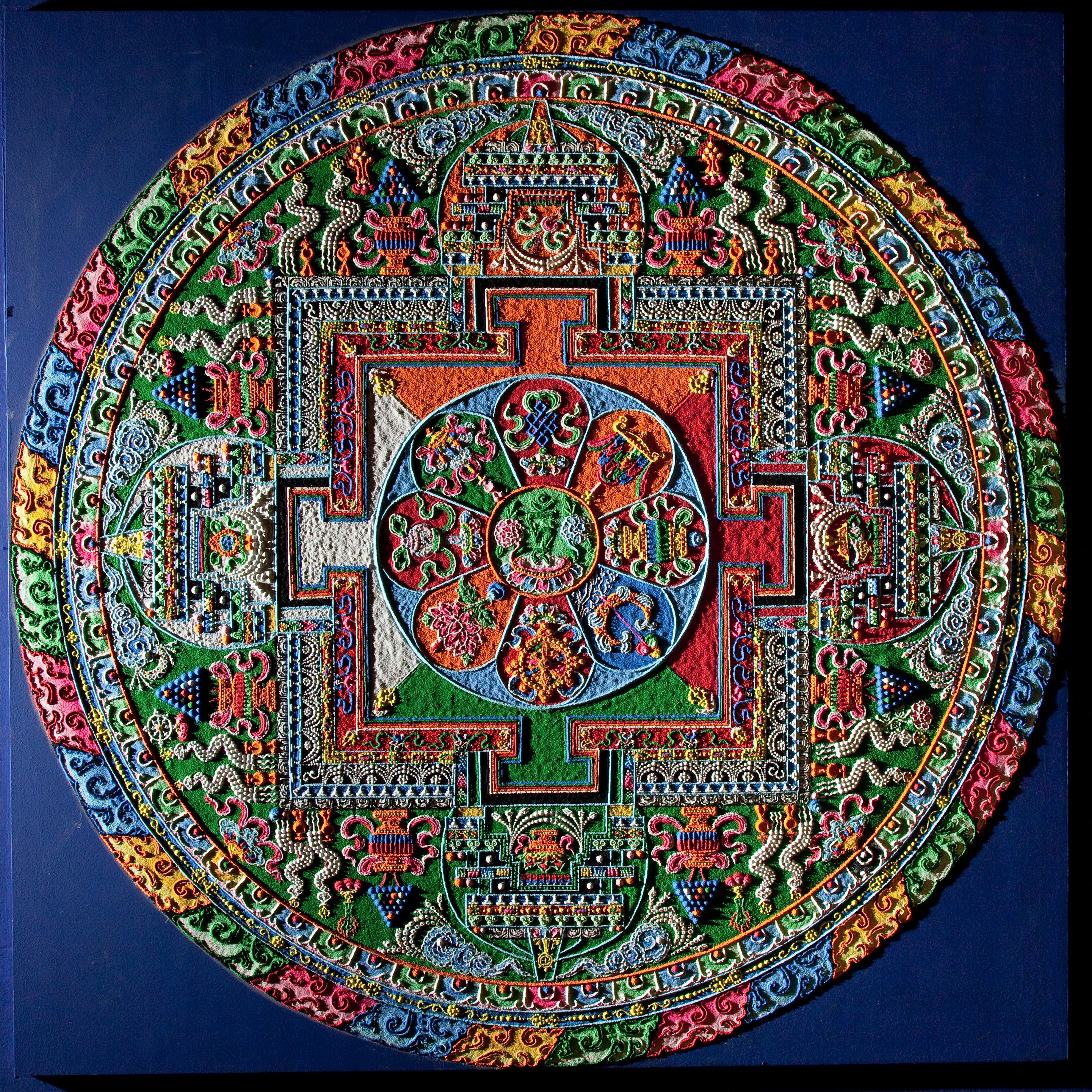
From the unijpgon of the GOKAN come into being the sense of SELF. This ‘self’ is then clung to, perpetuated and extended outwards to all experience until experience itself cannot be seen separate from the same ‘self’.
This idea of self is the cause of dissatisfaction and suffering with life (vide the Four Noble Truths). The Mind (Self) at the centre of this Mandara only comes into being because of the GOKAN coalescing. Apart from this coalescence, no self can be experienced. The self desperately avoids discovery through the analysis of its sources — thus it is only via meditation (and prayer) that this evasion can be recognised. Mandara portray this activity by highlighting both is initial causes and subsidiary effects. Through the GOKAN one experiences Karma, thus the GOKAN MANDARA presents the potentiality of cause and effect, mental health patterns and the panaroma of experience.
Senses

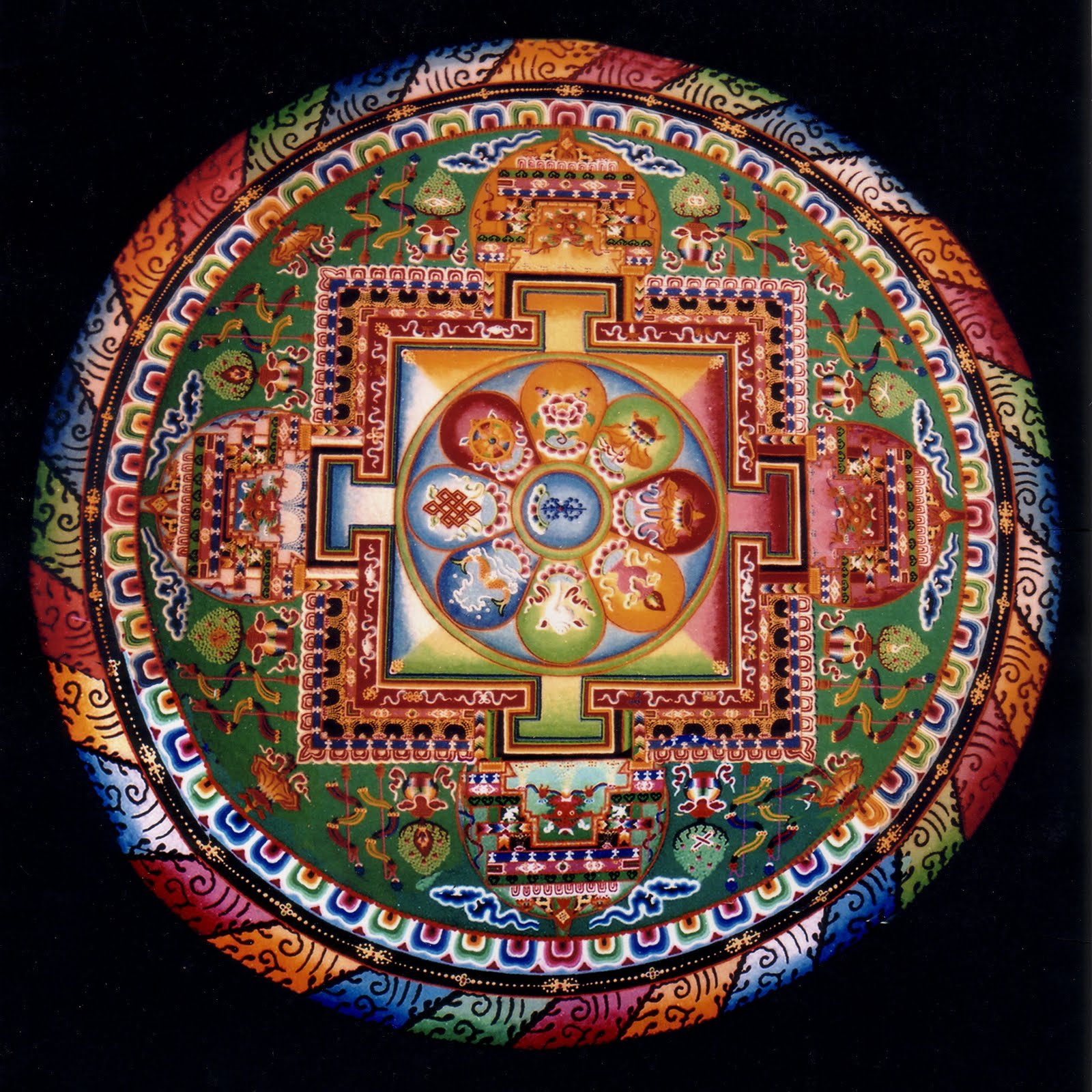
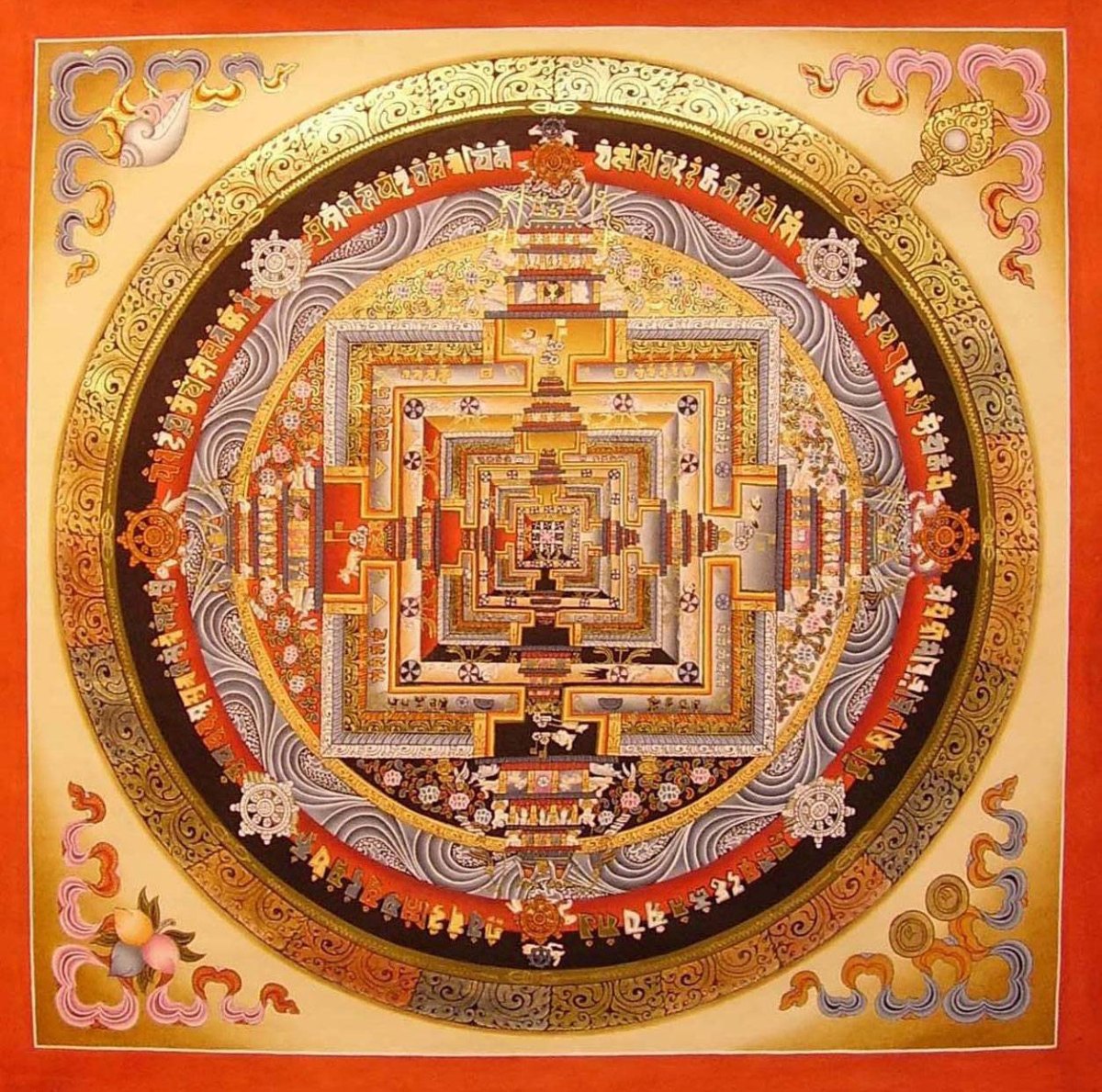
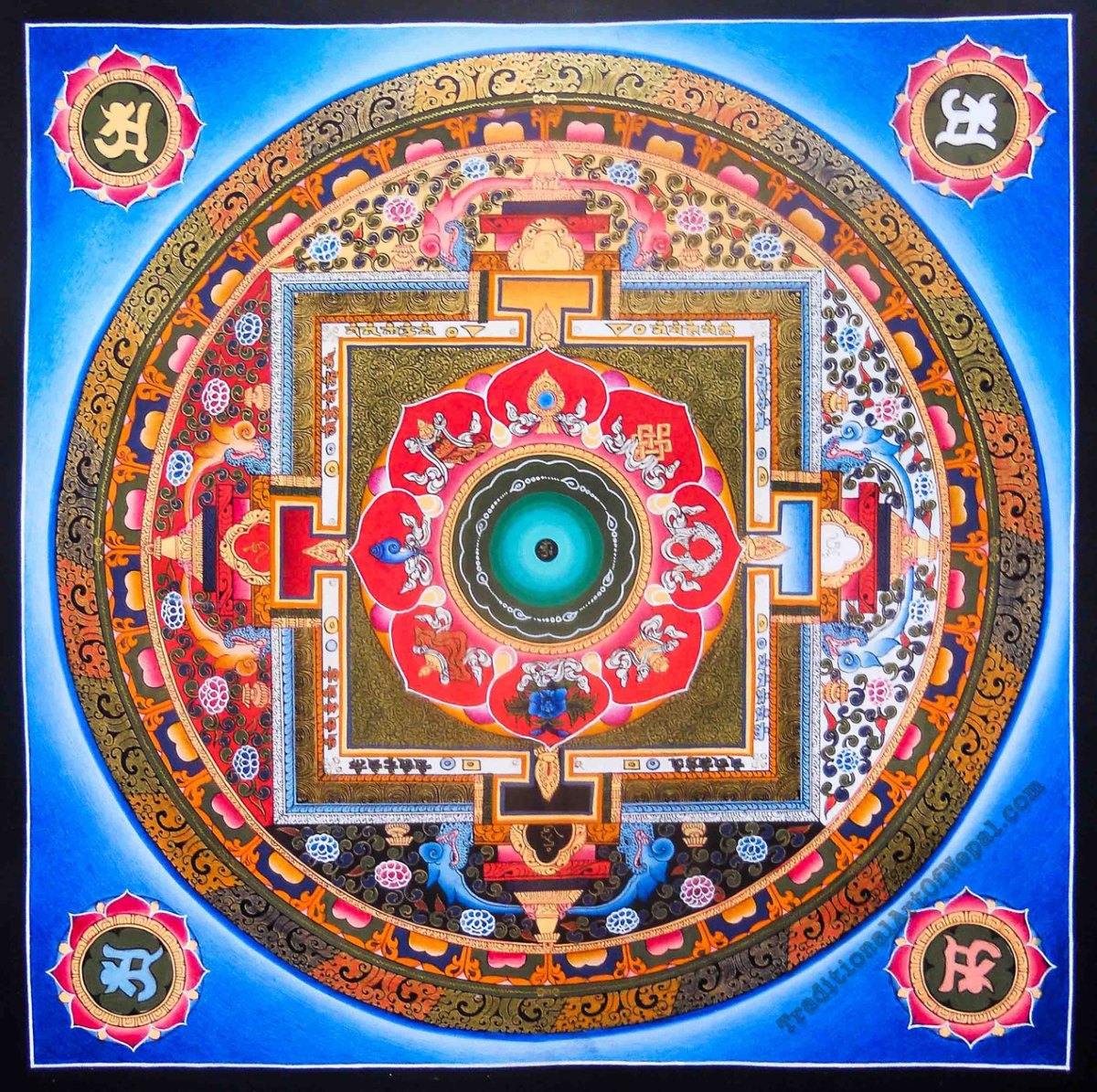
Animal geometry
Inspired by the Gokan Mandara.
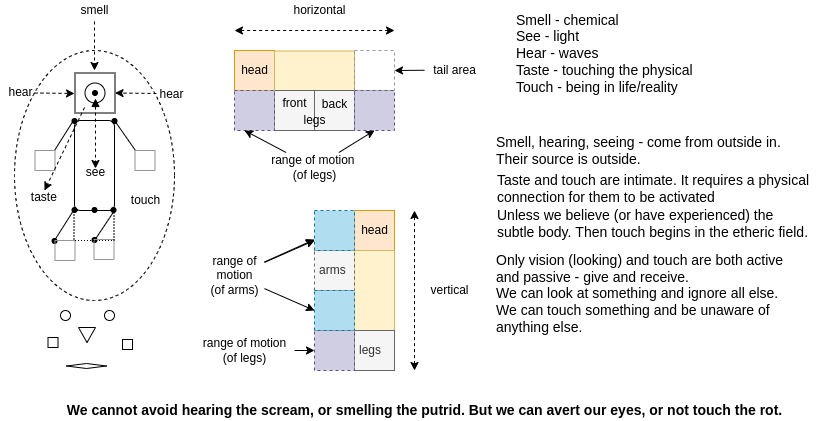
A look into some simple spacial features of humans as compared to animals. It was an exploration which started from the first diagram on the left. Then I thought to simplify it even more, and so these latter two emerged, showing clearly two things. The first is the obvious horizontal versus upright nature of the two. The second is their amazing similarity. The third, and to me, intriguing, is the obvious difference between the space occupied by the animal that shifted to become the space used by our arms, which are extremely dextrous, and one could say 3d, as opposed to the far more resticted spacial features of the legs. Both cannot bend backwards - we need to walk into the future, and do the work that is in front of us, where we can keep an eye on what we are doing, rather than behind us, where we hide our things.
As the sages say: “Only the fool trips on what is behind him”.